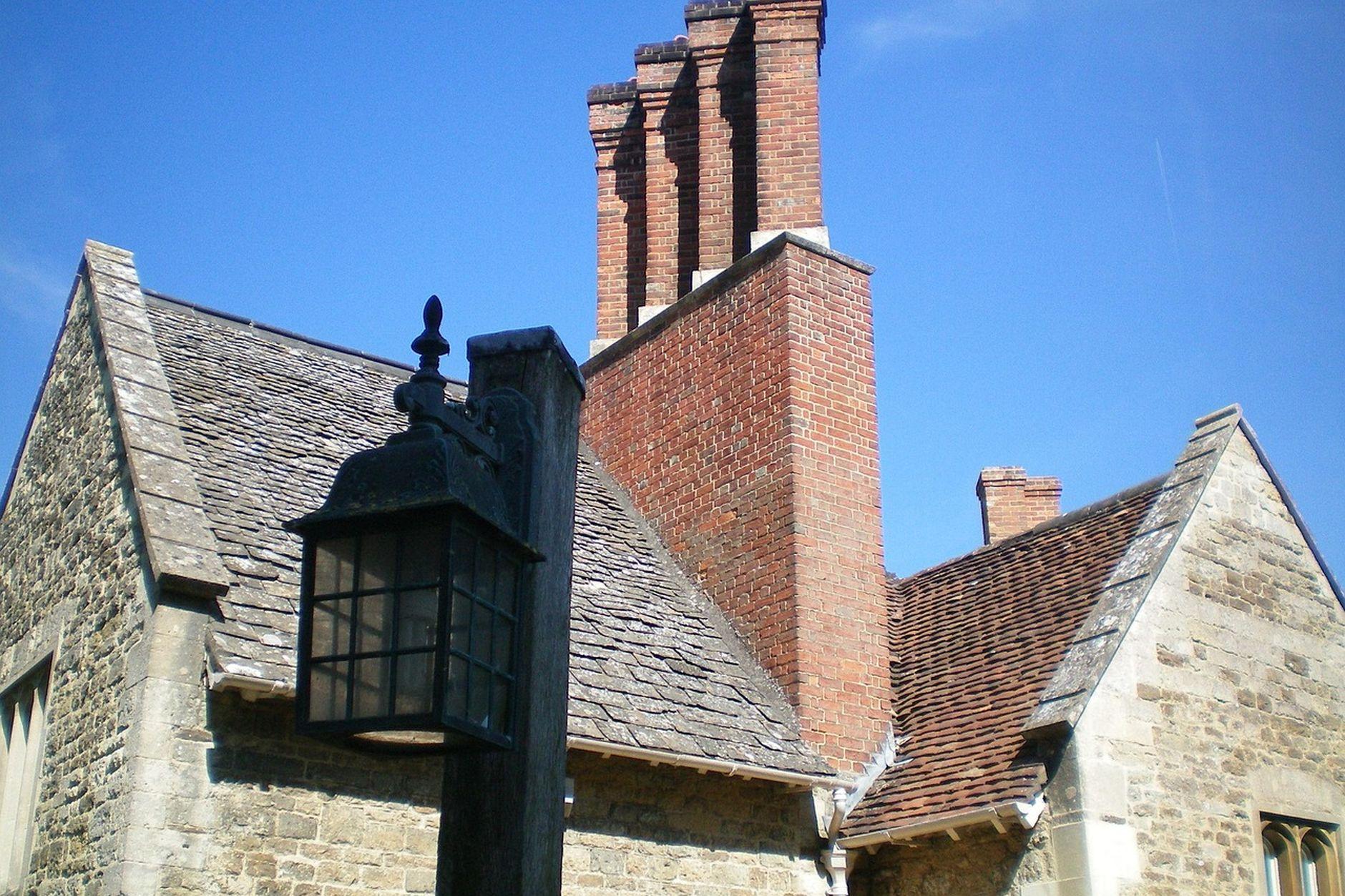
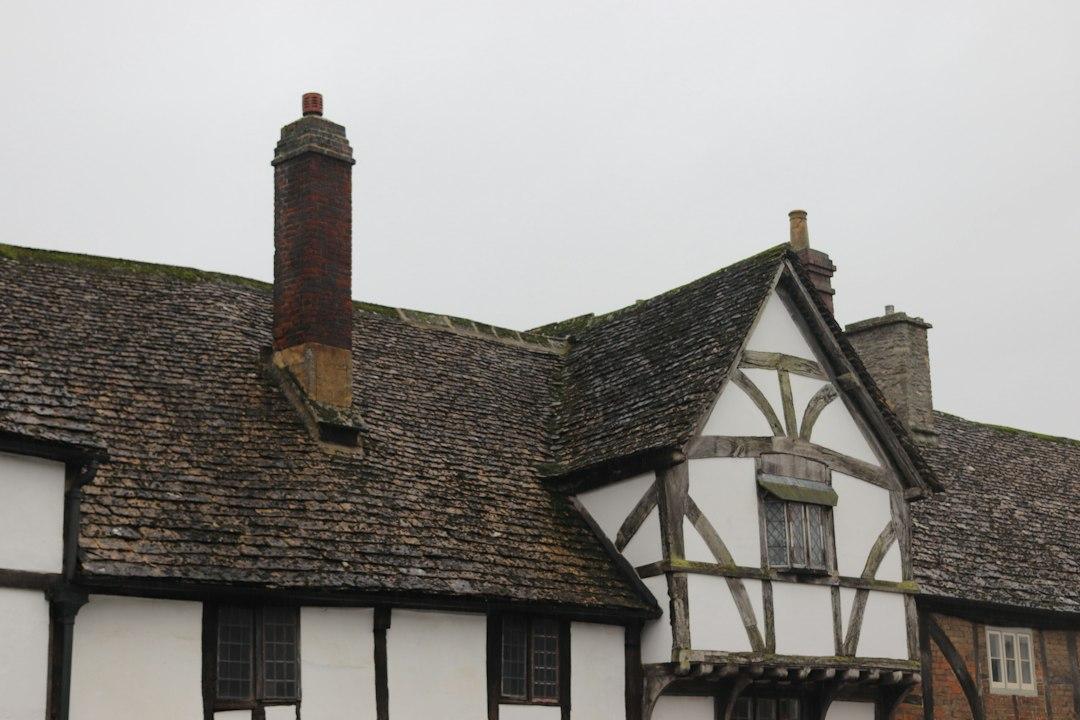
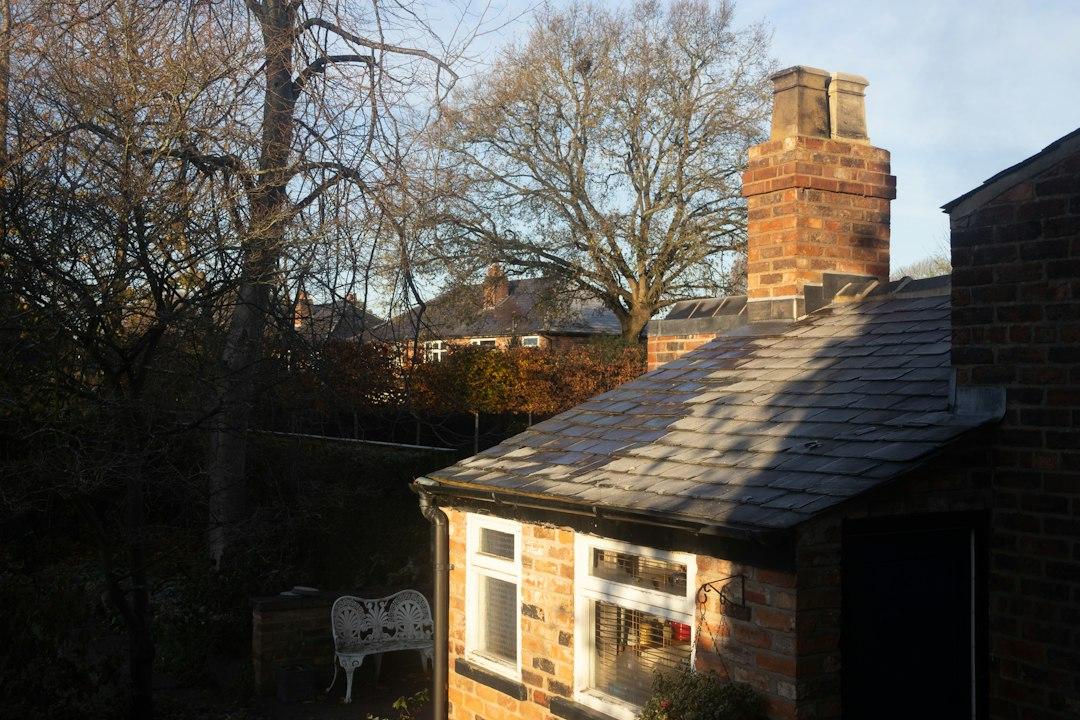
A chimney is three trades stacked in one column
From hearth to cap, a brick chimney crosses three kinds of work. The flue and firebox belong to the chimney trade: draft, liners, clearances. The stack belongs to the mason: brick, mortar, crown. The point where the stack passes through the shingles belongs to the roofer: flashing and saddles. The repairs we are called to redo in Garden Grove were often done by a capable person from the wrong one of those trades. A roofer tarred a joint that needed repointing. A handyman skimmed cement over a crown that needed casting. A sweep sold a sealant for brick that was already loose.
Gaines Chimney Contractors works as a masonry trade that also handles the flue and the flashing, so this post is written from that side of the fence. It is meant for an owner with two or three bids on the kitchen table.
What a masonry bid should put in writing
A bid for brickwork is only as good as its nouns. Look for these.
- The mortar by type. Type N, Type O, Type S or a lime blend. "Mortar" alone says nothing. For a postwar stack the bidder should be able to explain why the chosen type suits your brick.
- The sand and the color. A matched joint depends on sand of the right grain and shade. A bidder who plans to match will mention a sample panel or a trial joint left to cure before the job proceeds.
- Depth of cut for repointing. In inches, or as a multiple of joint width.
- How joints will be cut. Hand chisel, grinder with a dust shroud, or both, and how the brick edges are protected.
- Brick source for replacements. Reclaimed to match, or new, with the size named. Brick sizes changed over the decades, and a modern modular brick does not always course with an older one.
- The crown. Cast concrete of a stated thickness, or a coating over the existing crown. Those are different jobs at different prices.
- Flashing. Reused, or replaced and cut into the joints.
- Cleanup. Dust, slurry on the roof, mortar in the gutters.
Three bids, one chimney
Here is a pattern owners bring us. Bid one: "Tuckpoint chimney, seal crown, waterproof. One price." Bid two lists square feet per face, a depth, a mortar type and a recast crown. Bid three says the stack must be rebuilt from the roofline.
They cannot all be right, and the totals will not help you choose, because they are prices for three different jobs. What helps is asking each bidder for the findings behind the scope:
- Did you put a level on the stack, and what did it read?
- How deep did you probe the joints, and on which faces?
- Is any crack running through brick, or only along joints?
- Did anyone look down the flue?
Bidder three may be the only one who climbed up and found the lean. Or bidder three may propose a rebuild for every chimney. The findings show which. If none of the three has them, a Level 2 inspection at $375 gives you a written set, with photos, that every bidder can price from. We explain that in Level 2 before brick repairs, and the line between the two jobs in repoint or rebuild.
Badges count for little, paperwork for a lot
Chimney advertising is full of badges and slogans. We do not ask you to lean on ours, and we would not weigh anyone else's heavily either. What can be checked is the paperwork a company is willing to hand over before it is paid:
- A written scope with quantities, as above
- Photos of the defects, taken on your roof, not stock images
- The materials named by type
- A price that does not move unless the scope does, with any possible extra spelled out in advance, such as a stated rate per additional brick if more need replacing than the count in the scope
- A plain statement of what is excluded
A company that writes that way has thought about your chimney. One that will not is asking you to buy a total.
What separates two careful bids
Even two careful masons will land on different numbers. The usual reasons:
- One has allowed for scaffold and the other plans to work from the roof.
- One is blending a matched mortar and the other is using premix.
- One has included the crown and the other has left it as an option.
- One is replacing flashing and the other is reusing it.
None of those is a trick. They are choices, and you are entitled to make them knowingly. Ask each to price the same scope and the gap usually narrows to labor rate and schedule.
For the jobs where we publish prices, comparison is simpler. Chasing a leak to its source and closing it is $535 to $3,200. A Level 1 inspection is $160. A fitted cap is quoted after we measure; its size sets the price. Brickwork, crowns and liners come with a written quote instead.
Copy the scope lines from the bids you hold into the form, and we will arrange a roof visit and write ours under the same headings.
Who should do which part
- Joints, brick, crown, firebox, smoke chamber: a mason who works on chimneys.
- Liner, damper, cap, draft: the chimney side of the trade. In our crew the same people do both.
- Flashing and saddles: whoever does it must cut the metal into the mortar joint, not glue it to the brick face. Roofers and masons can both do that. Tar is not a method.
- Bracing, or anything involving a lean: findings first, then a scope. Our chimney repair page shows how we sort a mixed list.
Curing, weather and the calendar
Mortar hardens by holding its moisture, not by drying fast. In a Garden Grove summer, fresh joints on a west face need shading and misting or they turn chalky. In a wet week they need covering. Ask a bidder how the work will be cured. It costs little, and a mason with an answer has thought past the day the scaffold comes down.
Ask also what happens if the job uncovers more than the scope allowed for. On brickwork that is a fair question, not a hostile one: nobody can see the back of a brick until it is out. A good answer names the trigger, the unit price and the fact that work stops until you have agreed.
A local note on older stacks
Many Garden Grove chimneys were built in the same stretch of years, by tract builders working fast. That makes them consistent in one useful way: the brick is usually sound, and the weak points are the mortar wash on top and the joints on the sunny faces. A bidder who knows the housing will check those first and will not be surprised by them. One who proposes the same package for every house on the street has not looked at yours.
Before you sign anything
Put the bids next to each other and cross out every adjective. What is left, the quantities, the materials and the findings, is what you are buying. If you want a scope from our masons to set beside the others, the contact page is where to begin, and a written document follows the roof visit.
Want This Checked on Your Own Chimney?
Gaines Chimney Contractors surveys and repairs chimneys from Garden Grove. Leave the address and a short note, and the scope comes back in writing once a mason has been up to the stack.