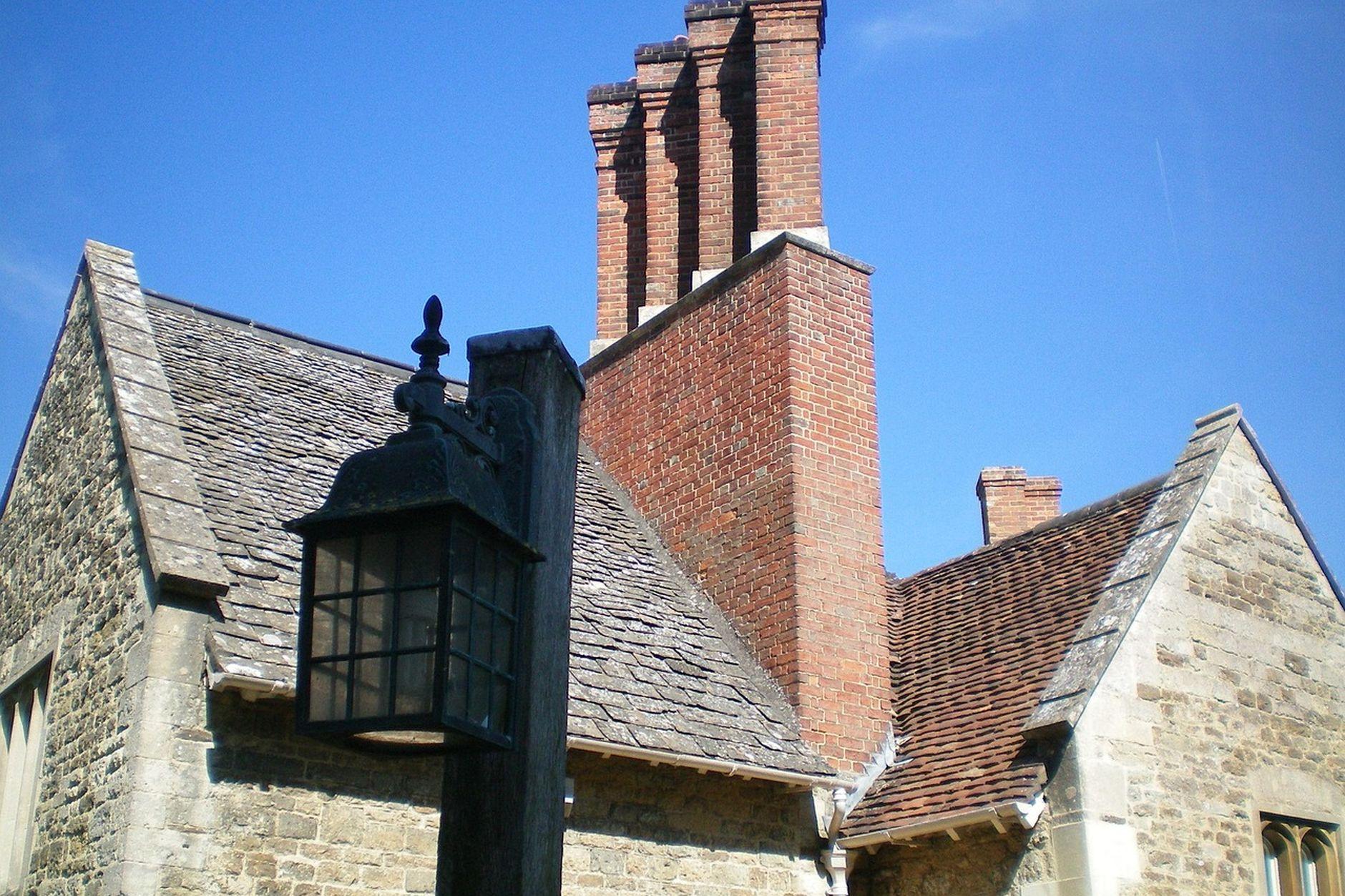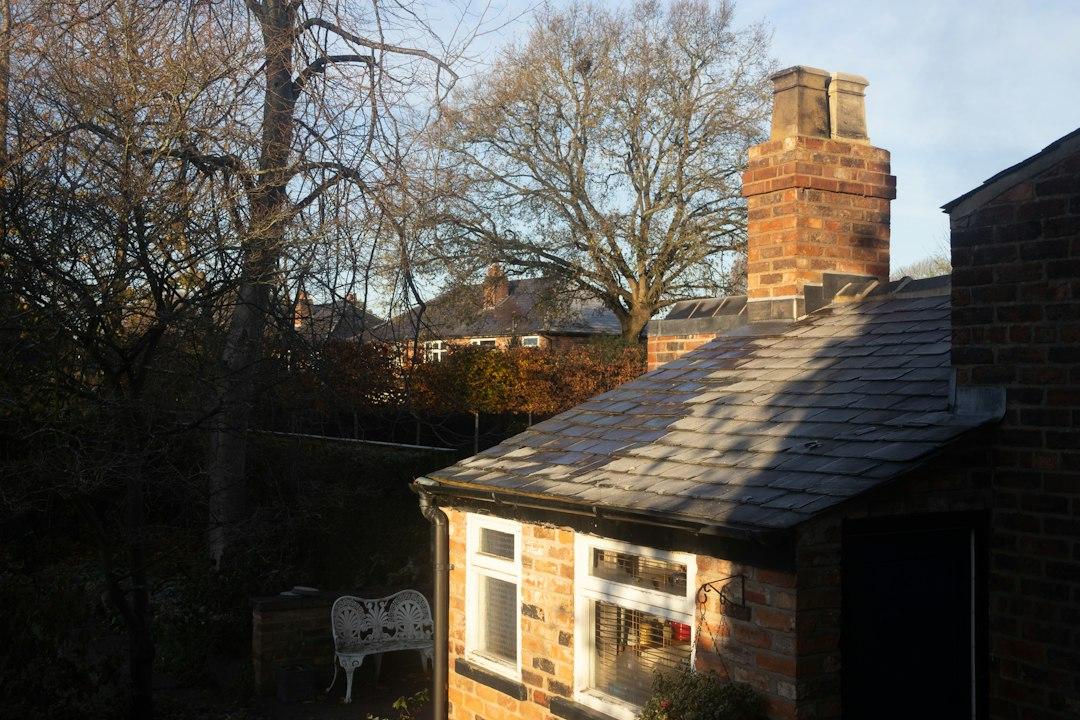
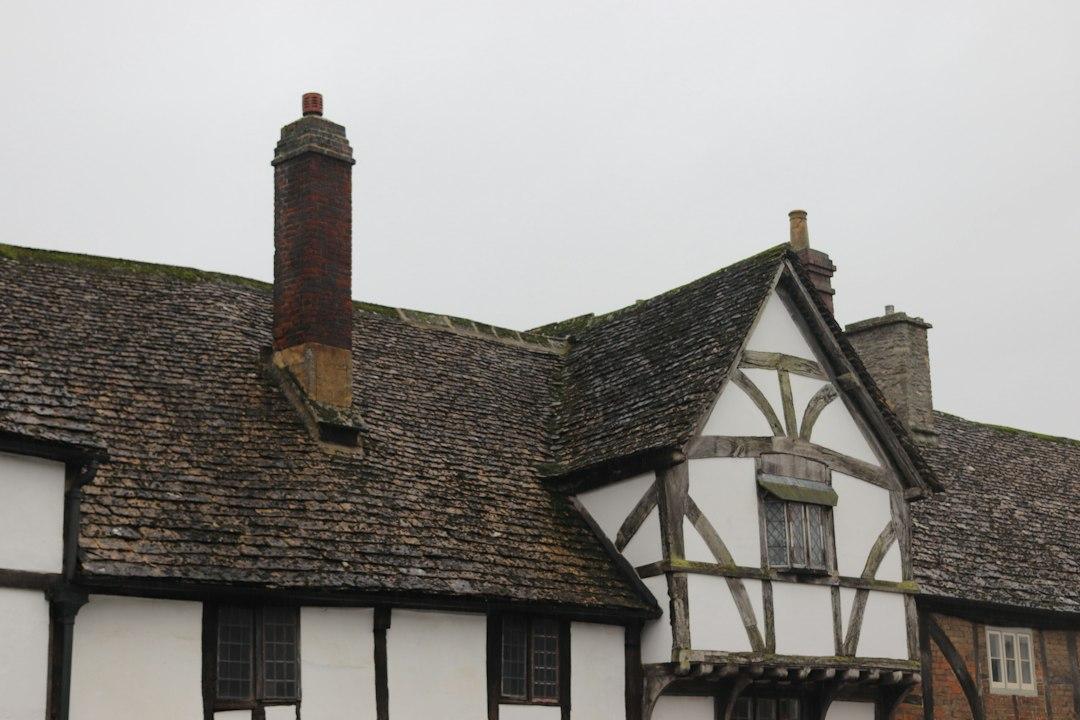
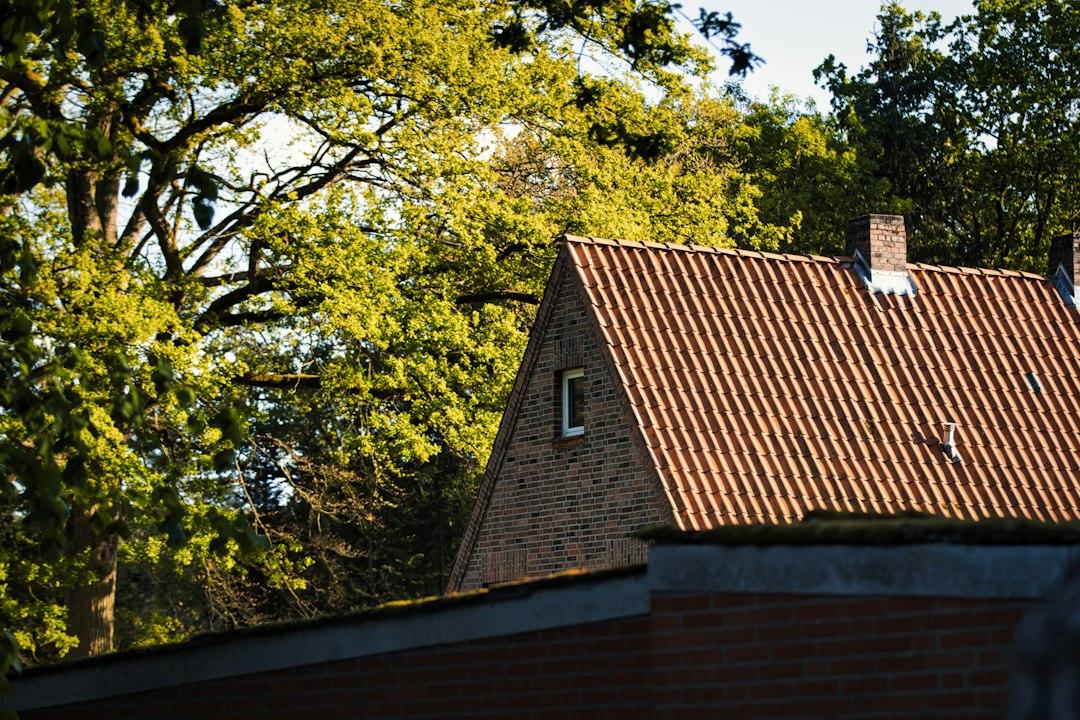
The outside of a chimney is half the evidence
A mason standing on the roof can judge brick, joints and crown by eye and by hand. What cannot be judged from up there is the inside of the same wall: the clay tile liner, the mortar between the tiles, and the back of the brick where the stack runs through the attic. In Garden Grove, where so many chimneys date from the same postwar decades, we have learned to distrust a tidy exterior. This post explains why our written quotes for larger masonry jobs begin with a Level 2 inspection, what the $375 buys, and when the $160 Level 1 is enough.
Which repairs call for the camera first
Not every job needs it. A cap, a few feet of repointing on a plumb stack, a surface coat on a sound crown: a Level 1 look covers those. The camera comes first when the repair is large enough that a hidden defect would change it.
| Job being priced | Inspection we ask for | Why |
|---|---|---|
| Rebuild from the roofline | Level 2, $375 | Tiles may have shifted at the height the stack broke |
| Repointing every face | Level 2, $375 | Water that emptied the joints has often reached the liner |
| Crown recast | Level 1, $160, or Level 2 if the top tile is cracked | The top tile sits in the crown and is replaced with it |
| Bracing or strapping | Level 2, $375 | Steel on the outside does nothing for a broken flue inside |
| Spot repointing, cap, crown coating | Level 1, $160 | Outside work on a stack showing no movement |
| Any repair tied to a sale | Level 2, $375 | The level NFPA 211 names for a house changing owners |
What the camera finds that changes a masonry quote
Tiles out of line. Clay liner tiles are stacked like short lengths of pipe. If two of them no longer meet, the brick around them moved. A roofline crack with tiles offset at the same height is a stack that broke. The same crack with tiles in line may be a surface matter.
Missing mortar between tiles. Gaps there let hot gas reach the inside face of the brick. Repointing the outside of that stack would be decorating it.
Cracked tiles. Lengthwise cracks are the mark of a past flue fire, or of water followed by heat. A stack with cracked tiles needs a liner as well as joints, and the sequence matters: liner decisions come before the crown is cast, because the liner passes through it.
An unlined section. Some older stacks have tile only part of the way, or none at all. Bare brick is not a flue.
The smoke chamber. The camera starts here, and it often shows corbelled brick with open joints directly above the fire. That is masonry work of its own, done from below.
The attic pass. Where it can be reached, we study the brick from the attic side: stains, loose mortar, timber touching masonry. None of that shows from the roof or the room.
How the findings change the money
Take an ordinary case. An owner asks for a price to repoint all four faces and recast the crown. From the roof the brick is good and the stack is plumb. The camera then shows the top two tiles cracked and a gap under the third.
Without the camera, the job gets done as asked. The new crown is cast around a cracked tile. Later the owner learns the flue needs a liner, and the new crown has to be cut open to fit it.
With the camera, the scope is written once: replace the top tiles or line the flue, then cast the crown around the finished liner, then repoint. One trip up with the staging, one crown, no rework. The inspection fee is small against a crown cast twice.
The reverse happens as well. A stack that looked alarming from the yard, with a long crack down one face, turns out to have a straight, tight liner and firm mortar a half inch in. That chimney needs repointing, not a rebuild, and the photos are what let us say so with a straight face. More on that line in repoint or rebuild.
What you receive for $375
A written report with photos: camera stills from inside the flue with the depth marked, roof photos of each face and the crown, and the attic side where reachable. Each finding gives its location, the defect and the repair by name. The report is yours. It can go to another mason for a competing bid, and we would sooner you compared bids on the same findings than on guesses. Our own quote, if you want one, follows the report's findings line by line.
When the Level 1 is enough
The $160 Level 1 is a visual inspection without the camera. For masonry purposes it answers three questions: is the stack plumb, are the joints full or hollow, is the crown whole. If all three come back clean and the job is small, we price the job from that. Should that visit show a lean, a crack through brick or a broken top tile, we write down why the camera is the next step, and you decide whether to go on.
Permits, sales and other paperwork
Two situations add paper to a masonry job. One is a sale: a buyer's lender or agent may ask for a Level 2 report dated after the repair, and our home sale page covers that sequence. The other is structural work. Rebuilding above the roofline or adding bracing can need a city permit, and the written quote says whether yours does. In both cases the inspection report is the document everything else hangs from, which is one more reason to have it in hand before the scaffold goes up.
If you are already holding a report with failed items on it, the up to code repairs page matches each common finding to its repair.
What decides your next step
Size of job and signs of movement. A small outside repair on a straight stack: Level 1. Anything involving the whole stack, the roofline, the crown together with the top tile, or a sale: Level 2.
Tell us which repair you have been quoted for and whether the stack shows a lean or a crack, and we will say which inspection fits and arrange it.
What the visit asks of the house
Very little. The hearth has to be reachable, so the camera can start in the smoke chamber. We need a way onto the roof, and the attic hatch if the chimney passes through an attic. A fireplace used the night before should be cold. If part of the chimney cannot be reached, a locked attic or a roof too fragile to walk, the report says which part and why, so a missing photo is never mistaken for a pass.
Booking it
An inspection is the smallest line on any masonry quote and the one that keeps the others accurate. To arrange a Level 2 for a Garden Grove chimney ahead of brickwork, write to us through the contact page; the report reaches you in writing, with the photos, before anyone prices a single course.
Want This Checked on Your Own Chimney?
Gaines Chimney Contractors surveys and repairs chimneys from Garden Grove. Leave the address and a short note, and the scope comes back in writing once a mason has been up to the stack.