
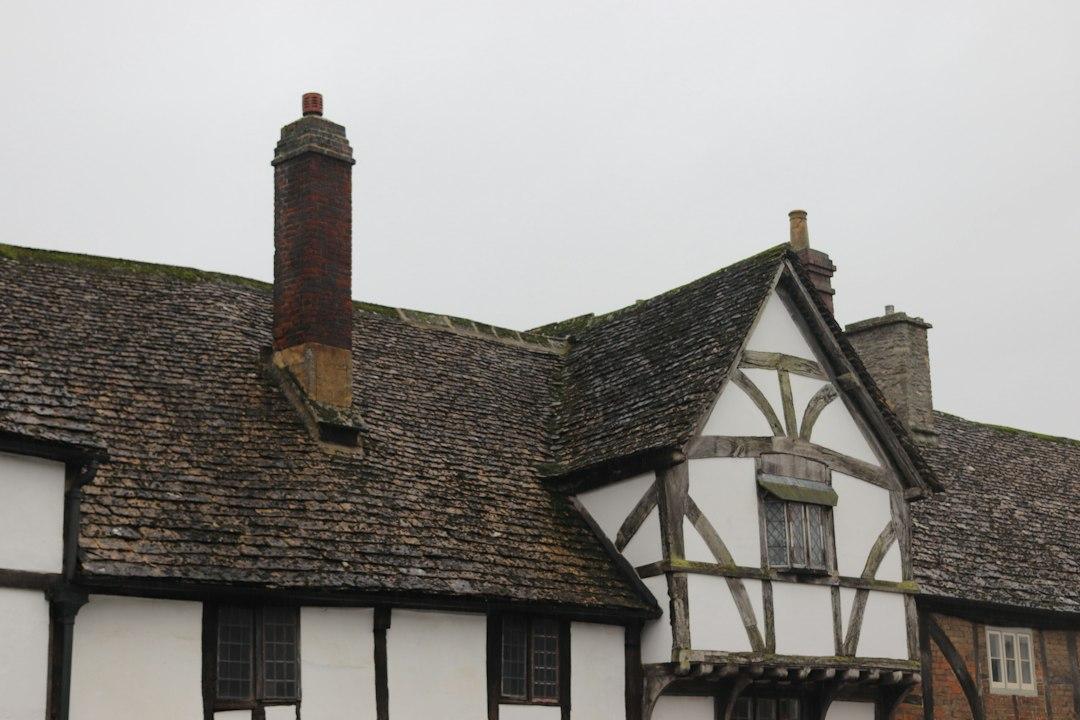
Chimney Repair in Garden Grove: First Find the Reason It Failed
Ask About This Service
Give the address and a line on the chimney. The office comes back with a date and what the visit will take in.
What the Work Involves
Chimney repair covers a lot of ground, so we start by naming the material that failed. Eroded joints get repointed, a loose top course gets relaid, a broken flue tile gets a liner, a split crown gets recast. On older houses the mortar is often softer than modern bagged mix, and we match it so the patch does not damage the brick beside it. You get the scope and the price on paper before any work begins.
Where Brick Chimneys Around Garden Grove Break Down First
A brick chimney is built of small units and a great many joints, and it fails joint by joint. The pattern is regular enough that we can often guess the order of trouble from the driveway. The top goes first. The crown bakes through the dry months and soaks through the wet ones with nothing above it, and once it cracks, water gets into the core of the stack. The upper courses come next: their mortar weathers back from the face, the brick loses its bedding, and a few units start to rock under a hand. Lower down, at the roof, the sheet metal covering the seam between brick and shingles lifts or rusts, and rain follows the brick into the attic. Indoors, heat works on the firebox: the firebrick joints burn out, and the steel lintel spanning the opening rusts, swells and cracks the face brick it carries. Water sits behind almost all of it. Fired clay and mortar both take up moisture, hold it, and give it back slowly, and wet masonry carries salts to the surface that push the face off a brick over the years. Orange County has little frost, so damage here is slower than in cold country, but a chimney left open at the top for decades gets there all the same.
Repair starts with deciding which of those is the cause and which are symptoms. A stained ceiling may trace to a flashing fault or to a crown fault two stories up; repointing the wrong area fixes nothing. So we trace before we quote. Once the cause is pinned down, the repair is a choice of method and material. Weathered joints are raked back to firm mortar and repointed. Mortar is the part people get wrong: a bagged mix far stronger than the wall it goes into will outlast the brick by destroying it, since movement and moisture then leave through the brick face instead of the joint. We look at what is in the wall, usually a sand and lime mortar with modest cement on houses of the 1950s and 1960s, and mix to suit, in strength and in color. Broken brick is cut out, and new or salvaged units are set in the pocket. A cracked crown is coated or recast, according to how deep the cracks go. Firebox joints get refractory mortar, never ordinary mortar, which crumbles under flame. Flashing is refastened, resealed or made new. A separate page here goes further into each of them.
From the Roof Visit to a Written Scope
We do not price chimney repair over the phone, and the reason is in the brick. Two stacks equally tall can be several times apart in labor: one needs forty feet of joint raked and pointed, the other has loose units down to the shoulder. Access counts as well. A low ranch roof with a walkable pitch is one kind of day; a steep two-story roof with the chimney at the far edge means scaffold or staging before a trowel comes out. During the visit we measure the affected joints in feet, count the brick to be replaced, check the crown thickness, and test whether the damage stops at the surface or goes through the wall. That becomes a written scope: each item, its method, its materials and its price, with the total at the bottom. If part of the work can wait a year without harm, the scope says which part. If something should not wait, such as loose brick above a walkway, it says that too.
A few repair items carry a published price here. Leak repair is $535 to $3,200; the lower figure is a one-seam fix, the upper one a chimney taking water at the crown, the joints and the flashing together. A cap gets its price once we have measured, from the flue count and the metal. For a cricket the figure is $430 to $970 by itself and $645 to $1,600 when new flashing on every side of the chimney is part of the same job. Everything else, meaning repointing, brick replacement, crown work, firebox work and partial rebuilds, is priced from the measurements taken at your house. Now and then demolition shows more than the surface did: brick behind the face course that has turned soft, or a crown that was hiding a hollow. Should that turn up, the trowels go down, you are shown the spot, and any change to scope and price is agreed in writing before we go on. If the house is in escrow, or a Level 2 report has already flagged items, our page on bringing a chimney up to code lists the usual fixes. For anything else, the contact form reaches us; write a line on what the chimney is doing, whether that is dropping grit, staining a ceiling or shedding brick faces.
Four Habits on Every Gaines Chimney Contractors Job
Material Identified
Brick, mortar and tile are named before a repair is chosen
Seven-Day Office
Messages are picked up 7 AM to 7 PM, weekends included
Scope on Paper
Method, materials and price are set down before tools come out
Pictures at Handover
Finished work is recorded and the images go to you
Where we carry out chimney repair
The cities below have a page of their own for this service, written around the houses and chimneys found there.
CA
Chimney Repair in Garden Grove
This is our own town: orchards and farms until the postwar boom, then tract upon tract through the 1950s and 1960s. Pre-1980 houses are 77% of the stock, so we come expecting sandy bed joints and crowns past their service life.
Open the city pageCA
Chimney Repair in Buena Park
A typical postwar tract house here carries a single brick fireplace chimney, often with steel reinforcement inside but now decades old. We check where that steel meets the mortar, because rusting bar swells and splits the courses around it.
Open the city pageCA
Chimney Repair in Huntington Beach
Downtown keeps a few cottages of the early 1900s; the bulk of the housing is 1960s and 1970s, and Huntington Harbour's channel-side homes and condos came in the 1960s. Seaside brick holds damp, so our repointing mortar is one that breathes and lets the wall dry.
Open the city pageCA
Chimney Repair in La Palma
Dairyland was the name on the 1955 incorporation papers; the houses that followed are 81% pre-1980. Fireplaces here likely come two ways: a factory-built unit on the later side, or period masonry in block or brick. Only the masonry takes a trowel.
Open the city pageOther Work We Do
Chimney Sweep
Rods and brushes strip the flue walls clean, and the bare tile and mortar joints get looked over before we pack up.
Open the pageChimney Inspection
A Level 1 look at brick, joints, crown, firebox and flue mouth, written up with what a mason would do about each finding.
Open the pageFireplace Inspection
The firebox, hearth, throat and facing checked brick by brick, with the lintel and the hearth extension measured against the opening.
Open the pageFireplace Repair
Firebrick relaid, refractory joints repointed, lintels and smoke chambers repaired, so the firebox holds heat where it belongs.
Open the pageChimney Level 2 Inspection
Each flue tile and the mortar between them filmed from inside, with the roof and concealed sections of the stack checked too.
Open the pageChimney Cap Installation
A metal lid and screen fixed over the flue tile or across the whole crown, chosen after we check what it will fasten to.
Open the pageChimney Flashing Repair
New sheet metal at the roofline, lapped under the roofing and tucked into a groove ground in the brickwork.
Open the pageChimney Masonry Repair
Tuckpointing, brick replacement and relaid courses, using a mortar type and joint profile that match the wall already standing.
Open the pageChimney Rebuilds
New brickwork for a stack that pointing cannot save, laid with fresh flue tile, a cast crown and flashing built into the courses.
Open the pageFireplace Cleaning
Ash, soot and stains lifted from the firebox, grate, doors and facing brick without harming the mortar or the finish.
Open the pageGas Fireplace Cleaning
Glass off, logs out, burner ports and pilot cleared of dust and lint, then everything reassembled as the manual shows.
Open the pageGas Fireplace Repair
Meter in hand, we trace a stubborn gas fireplace through pilot assembly, flame sensor, valve, wall switch, remote receiver and wiring.
Open the pageFireplace Remodel
A new face for the fireplace in brick, stone, tile or plaster, set on a substrate that suits the heat.
Open the pageFireplace Inserts
A gas or wood heater fitted inside the masonry firebox you already own, with its own stainless vent up the old flue.
Open the pagePellet Stove Repair
Mechanical and electrical repair for pellet stoves, from the hopper and auger motor to the combustion fan, igniter and sensors.
Open the pageWood Stove Repair
Door seals, firebrick lining, baffles, glass and stovepipe joints renewed on freestanding wood stoves and their hearth pads.
Open the pageGas Logs
Ceramic log sets and a gas burner placed in a masonry firebox, after the brick, the flue and the gas stub are checked.
Open the pageChimney Seismic Retrofit
Anchors, braces or a lighter upper stack for an unreinforced brick chimney, chosen after the mortar and brick are assessed.
Open the pageChimney Crown Repair
The mortar or concrete wash that sheds rain off the top course, resurfaced when worn and recast in formwork when it has failed.
Open the pageDryer Vent Cleaning
Lint removed from the full length of the dryer exhaust duct, from the appliance connection to the hood on the outside wall or roof.
Open the pageChimney Liner Installation
A new stainless or cast flue inside the old brick shaft, for chimneys whose clay tiles are cracked, missing or the wrong size.
Open the pageChimney Leak Repair
Finding the entry point of water at a chimney and repairing that material, whether mortar joint, crown, sheet metal or brick face.
Open the pageChimney Waterproofing
A clear siloxane treatment sprayed onto repaired brick and mortar to cut how much rain the wall absorbs.
Open the pageChimney Damper Repair
Cast iron throat dampers freed, rehung or replaced, and cable-operated lids fitted at the flue top when the throat is past saving.
Open the pageChimney Chase Cover
A fabricated metal top for a framed chimney enclosure, replacing a rusted or sagging pan that lets rain into the structure.
Open the page