
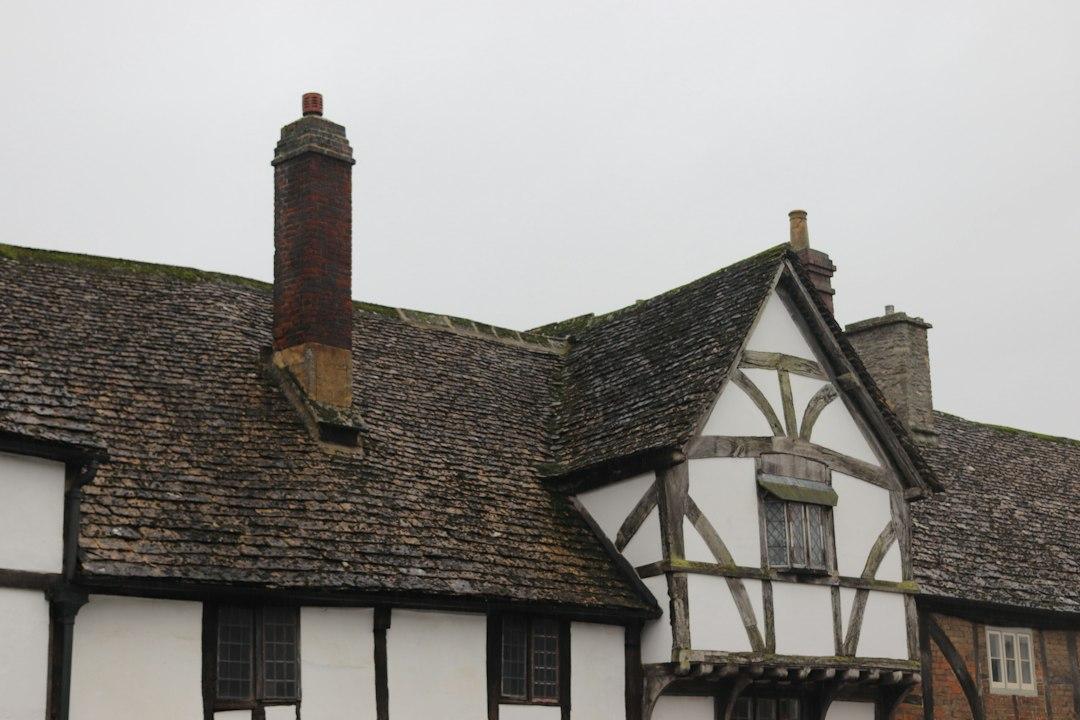
Wood Stove Repair in Garden Grove, Down to the Chimney Connection
Ask About This Service
Give the address and a line on the chimney. The office comes back with a date and what the visit will take in.
What the Work Involves
A wood stove is a steel or cast iron box lined with firebrick, and most repairs involve the lining and the seals. We replace cracked liner brick, reseat or replace the baffle, fit new door and glass seals, and swap damaged glass for the correct heat-proof pane. Seams in a cast iron body are resealed with furnace cement. Then the connector pipe and the hearth pad beneath the stove are checked against the clearances on the stove's label.
Tight Box, Tight Flue: Where Stoves Lose Control
A wood stove is an airtight steel or cast iron box, and its whole behavior depends on staying airtight everywhere except the air inlets the maker gave it. Close the inlet and the fire should slow to a steady burn. When a stove stops obeying its air control, there is a second path for air that the control does not govern. The usual place is the door. A woven fiberglass rope sits in a channel around the door and around the glass, and years of heat pack it flat and stiff until it no longer seals; a strip of paper shut in the door slides out with no drag. Seams are next. Cast iron stoves are assembled from plates bedded in furnace cement, which dries and drops out with age, leaving hairline gaps at the corners. Steel stoves can crack at a weld or warp a panel after hard firing. Each leak feeds the fire extra air, the stove runs hotter than intended, and the heat finishes off the parts that were merely worn.
The firebox is lined with firebrick or cast refractory panels that keep the steel from taking flame directly. They crack eventually, and a cracked brick that still sits in place is acceptable; one with a piece missing is not, because the steel behind it will overheat and distort. Overhead is the baffle, a shelf of steel, ceramic board or brick that holds the flame gases in the hot zone long enough to burn before they reach the flue collar. A warped or broken baffle lets heat go straight up the pipe. Some stoves add a catalytic element or a set of perforated air tubes up there; both wear out and both are replaceable. Then comes our home ground: the connection to the chimney. Stovepipe joints should be screwed, sloped upward and kept clear of walls by a set distance. Where the pipe enters a brick chimney, it should meet a liner sized for the stove, not dump into a wide old fireplace flue. And the floor pad and wall shielding have to match what the stove's label demands.
What a Repair Visit Covers and What It Costs
We go over the stove cold, with the flue swept first if it is due. Door and glass gaskets are tested and replaced with rope of the diameter and density the maker specifies, set in fresh cement. Loose seams on cast stoves are raked out and resealed; a stove whose seams have opened all around is a candidate for a full teardown and rebuild, and we say honestly whether the stove deserves it. Firebrick is replaced by the piece, cut to fit where the size is odd. Baffles, air tubes and catalytic elements are ordered by model. Cracked door glass is swapped for ceramic glass of the correct thickness; ordinary tempered glass will not survive. The stovepipe is taken down, checked for thin spots and corrosion, and reassembled or renewed. Then the stove is lit and brought up to working temperature with a thermometer on the pipe, the air control is run through its range, and we confirm the fire answers to it.
There is no flat rate for stove repair, since a gasket job and a rebuilt firebox lining are different days. Our written quote sets labor next to every part, and it separates the stove from the venting, so you can see whether the money is going into the appliance or into the chimney. Where the stovepipe empties into bare, unlined masonry, expect that to be on the quote as a recommendation, with the reason stated; an unlined connection is the most common cause of poor draft, heavy creosote and smoke in the room when the door opens. Sweeping, where needed, is from $400. For stoves old enough that parts are gone and efficiency is poor, we will say when replacement is the sounder choice, and what the chimney would need to take a new one. Describe the trouble on the contact form, along with the maker's name, which is usually cast into the door or on a plate at the back.
Four Habits on Every Gaines Chimney Contractors Job
Material Identified
Brick, mortar and tile are named before a repair is chosen
Seven-Day Office
Messages are picked up 7 AM to 7 PM, weekends included
Scope on Paper
Method, materials and price are set down before tools come out
Pictures at Handover
Finished work is recorded and the images go to you
Where we carry out wood stove repair
The cities below have a page of their own for this service, written around the houses and chimneys found there.
CA
Wood Stove Repair in Garden Grove
This is our own town: orchards and farms until the postwar boom, then tract upon tract through the 1950s and 1960s. Pre-1980 houses are 77% of the stock, so we come expecting sandy bed joints and crowns past their service life.
Open the city pageCA
Wood Stove Repair in Buena Park
A typical postwar tract house here carries a single brick fireplace chimney, often with steel reinforcement inside but now decades old. We check where that steel meets the mortar, because rusting bar swells and splits the courses around it.
Open the city pageCA
Wood Stove Repair in Huntington Beach
Downtown keeps a few cottages of the early 1900s; the bulk of the housing is 1960s and 1970s, and Huntington Harbour's channel-side homes and condos came in the 1960s. Seaside brick holds damp, so our repointing mortar is one that breathes and lets the wall dry.
Open the city pageCA
Wood Stove Repair in La Palma
Dairyland was the name on the 1955 incorporation papers; the houses that followed are 81% pre-1980. Fireplaces here likely come two ways: a factory-built unit on the later side, or period masonry in block or brick. Only the masonry takes a trowel.
Open the city pageOther Work We Do
Chimney Sweep
Rods and brushes strip the flue walls clean, and the bare tile and mortar joints get looked over before we pack up.
Open the pageChimney Inspection
A Level 1 look at brick, joints, crown, firebox and flue mouth, written up with what a mason would do about each finding.
Open the pageChimney Repair
Repairs to the brick stack, crown, flue and firebox, planned by a mason so the fix matches what the chimney is built from.
Open the pageFireplace Inspection
The firebox, hearth, throat and facing checked brick by brick, with the lintel and the hearth extension measured against the opening.
Open the pageFireplace Repair
Firebrick relaid, refractory joints repointed, lintels and smoke chambers repaired, so the firebox holds heat where it belongs.
Open the pageChimney Level 2 Inspection
Each flue tile and the mortar between them filmed from inside, with the roof and concealed sections of the stack checked too.
Open the pageChimney Cap Installation
A metal lid and screen fixed over the flue tile or across the whole crown, chosen after we check what it will fasten to.
Open the pageChimney Flashing Repair
New sheet metal at the roofline, lapped under the roofing and tucked into a groove ground in the brickwork.
Open the pageChimney Masonry Repair
Tuckpointing, brick replacement and relaid courses, using a mortar type and joint profile that match the wall already standing.
Open the pageChimney Rebuilds
New brickwork for a stack that pointing cannot save, laid with fresh flue tile, a cast crown and flashing built into the courses.
Open the pageFireplace Cleaning
Ash, soot and stains lifted from the firebox, grate, doors and facing brick without harming the mortar or the finish.
Open the pageGas Fireplace Cleaning
Glass off, logs out, burner ports and pilot cleared of dust and lint, then everything reassembled as the manual shows.
Open the pageGas Fireplace Repair
Meter in hand, we trace a stubborn gas fireplace through pilot assembly, flame sensor, valve, wall switch, remote receiver and wiring.
Open the pageFireplace Remodel
A new face for the fireplace in brick, stone, tile or plaster, set on a substrate that suits the heat.
Open the pageFireplace Inserts
A gas or wood heater fitted inside the masonry firebox you already own, with its own stainless vent up the old flue.
Open the pagePellet Stove Repair
Mechanical and electrical repair for pellet stoves, from the hopper and auger motor to the combustion fan, igniter and sensors.
Open the pageGas Logs
Ceramic log sets and a gas burner placed in a masonry firebox, after the brick, the flue and the gas stub are checked.
Open the pageChimney Seismic Retrofit
Anchors, braces or a lighter upper stack for an unreinforced brick chimney, chosen after the mortar and brick are assessed.
Open the pageChimney Crown Repair
The mortar or concrete wash that sheds rain off the top course, resurfaced when worn and recast in formwork when it has failed.
Open the pageDryer Vent Cleaning
Lint removed from the full length of the dryer exhaust duct, from the appliance connection to the hood on the outside wall or roof.
Open the pageChimney Liner Installation
A new stainless or cast flue inside the old brick shaft, for chimneys whose clay tiles are cracked, missing or the wrong size.
Open the pageChimney Leak Repair
Finding the entry point of water at a chimney and repairing that material, whether mortar joint, crown, sheet metal or brick face.
Open the pageChimney Waterproofing
A clear siloxane treatment sprayed onto repaired brick and mortar to cut how much rain the wall absorbs.
Open the pageChimney Damper Repair
Cast iron throat dampers freed, rehung or replaced, and cable-operated lids fitted at the flue top when the throat is past saving.
Open the pageChimney Chase Cover
A fabricated metal top for a framed chimney enclosure, replacing a rusted or sagging pan that lets rain into the structure.
Open the page