
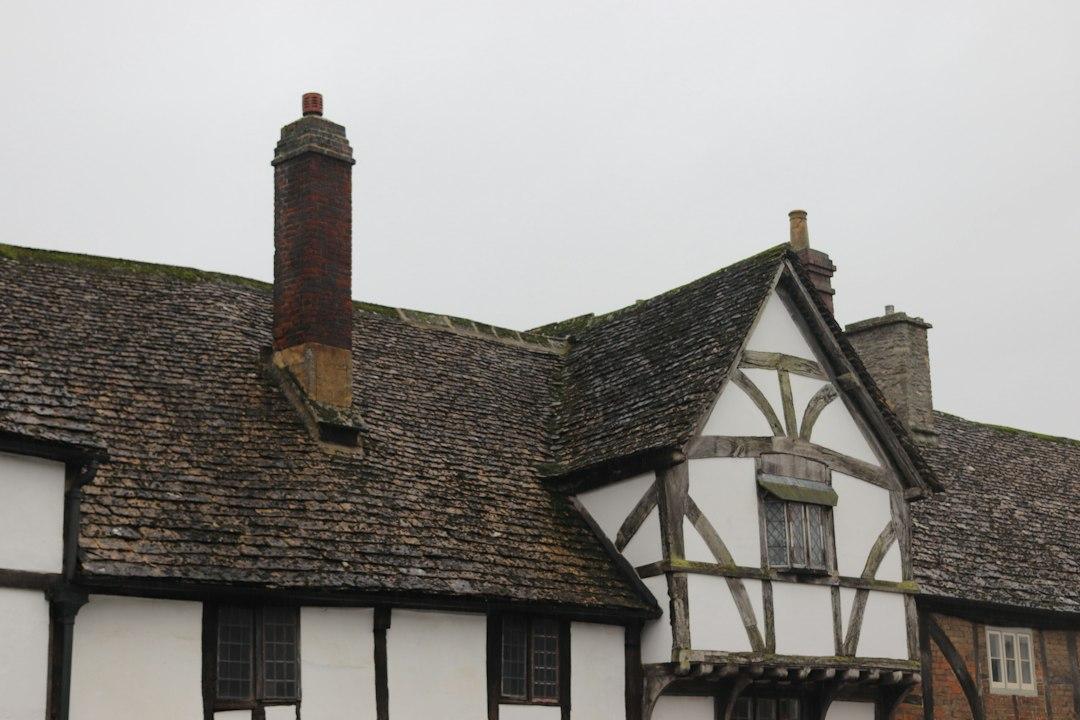
Chimney Caps Fitted in Garden Grove, Anchored to Sound Masonry
Ask About This Service
Give the address and a line on the chimney. The office comes back with a date and what the visit will take in.
What the Work Involves
A cap is only as good as what it grips. On a clay tile that stands proud of the crown, a clamp-on cap works. Where the tile is flush, cracked or there are several flues, a full-width cap anchored into the crown is the sound choice. We measure, check the crown and tile, and fit the cap with a screen. We price the cap after measuring. How many flues it covers and what metal it is made of drive that figure, and custom multi-flue work costs the most.
What an Open Flue Costs the Masonry Below It
A flue without a cap is a vertical pipe pointed at the sky. Every storm sends water down its length, and that water does its damage out of sight. It wets the mortar between the liner tiles, which is thin and has no way to dry quickly. It collects on the damper and the smoke shelf behind it, and with the soot there it makes an acidic paste that eats steel and joint alike. It soaks the firebox back wall, and wet firebrick heated by the next fire sheds its face. From a mason's side of things, a cap is a small part that protects a great deal of masonry, and its absence is behind a good share of the flue and firebox repointing we quote. The mesh sides do two more jobs: they stop birds, squirrels and windblown leaves from getting in, and they break up embers on the way out, which matters in a region that gets dry Santa Ana winds each fall.
Caps come in two families. One grips a single flue tile with screws or a band and covers that flue alone. The other is a larger hood on legs, fastened to the crown itself, that shelters every flue on the stack and most of the crown surface with them. For a masonry crew the second kind has an extra merit: it keeps a good part of the rain off the crown, which slows the cracking that crowns are prone to. Which one suits your chimney comes down to how many tiles come through the top, how far they stand above the crown, and whether the crown is firm enough to take anchors. Material matters more near the water. Painted or galvanized steel rusts through in a few years of Huntington Beach salt air and streaks the brick brown on its way out, so we fit stainless steel as standard and copper where the owner wants it. Metal factory-built chimneys are a separate case: they take the cap listed by their manufacturer and nothing else.
Measuring, Fastening and the Price
No cap is priced until we have measured it, because each chimney top is its own case. A stock stainless cap on one standard clay tile, on a one-story roof, is the simplest job. The biggest job is a custom hood, measured and fabricated for a wide stack with several flues, or a tall or steep roof that takes staging to work on safely. We measure on the roof, not from the ground: the outside dimensions of each tile, its height above the crown, the crown's length and width, and the distance between flues. Round liners, oval tiles and flues with no tile showing above the crown each call for a different mount. Your own figure is written down for you before we order a thing. Fastening is where rushed cap jobs fail. A cap held by friction alone leaves in the first strong wind, so ours are screwed to the tile or anchored into the crown with masonry fasteners and sealed at the holes.
Because the cap sits on the crown, we never fit one without checking what is under it. A crown with fine surface cracks can be sealed first, then capped. A crown that has broken into pieces will not hold an anchor and should be rebuilt before the cap goes on; putting new metal over failed concrete only hides the leak for a season. If that is what we find, the written quote shows the crown work as its own line and you choose whether to do both. We also check the top course of brick and the exposed flue tile, since a chipped or split top tile may need to be replaced or extended before a cap will seat. Caps pair well with a top-sealing damper when the old throat damper is warped, as the two share one mount. To get a cap priced, send the contact form with your address and the number of flues in the chimney, if you happen to know.
Four Habits on Every Gaines Chimney Contractors Job
Material Identified
Brick, mortar and tile are named before a repair is chosen
Seven-Day Office
Messages are picked up 7 AM to 7 PM, weekends included
Scope on Paper
Method, materials and price are set down before tools come out
Pictures at Handover
Finished work is recorded and the images go to you
Where we carry out chimney cap installation
The cities below have a page of their own for this service, written around the houses and chimneys found there.
CA
Chimney Cap Installation in Garden Grove
This is our own town: orchards and farms until the postwar boom, then tract upon tract through the 1950s and 1960s. Pre-1980 houses are 77% of the stock, so we come expecting sandy bed joints and crowns past their service life.
Open the city pageCA
Chimney Cap Installation in Buena Park
A typical postwar tract house here carries a single brick fireplace chimney, often with steel reinforcement inside but now decades old. We check where that steel meets the mortar, because rusting bar swells and splits the courses around it.
Open the city pageCA
Chimney Cap Installation in Huntington Beach
Downtown keeps a few cottages of the early 1900s; the bulk of the housing is 1960s and 1970s, and Huntington Harbour's channel-side homes and condos came in the 1960s. Seaside brick holds damp, so our repointing mortar is one that breathes and lets the wall dry.
Open the city pageCA
Chimney Cap Installation in La Palma
Dairyland was the name on the 1955 incorporation papers; the houses that followed are 81% pre-1980. Fireplaces here likely come two ways: a factory-built unit on the later side, or period masonry in block or brick. Only the masonry takes a trowel.
Open the city pageOther Work We Do
Chimney Sweep
Rods and brushes strip the flue walls clean, and the bare tile and mortar joints get looked over before we pack up.
Open the pageChimney Inspection
A Level 1 look at brick, joints, crown, firebox and flue mouth, written up with what a mason would do about each finding.
Open the pageChimney Repair
Repairs to the brick stack, crown, flue and firebox, planned by a mason so the fix matches what the chimney is built from.
Open the pageFireplace Inspection
The firebox, hearth, throat and facing checked brick by brick, with the lintel and the hearth extension measured against the opening.
Open the pageFireplace Repair
Firebrick relaid, refractory joints repointed, lintels and smoke chambers repaired, so the firebox holds heat where it belongs.
Open the pageChimney Level 2 Inspection
Each flue tile and the mortar between them filmed from inside, with the roof and concealed sections of the stack checked too.
Open the pageChimney Flashing Repair
New sheet metal at the roofline, lapped under the roofing and tucked into a groove ground in the brickwork.
Open the pageChimney Masonry Repair
Tuckpointing, brick replacement and relaid courses, using a mortar type and joint profile that match the wall already standing.
Open the pageChimney Rebuilds
New brickwork for a stack that pointing cannot save, laid with fresh flue tile, a cast crown and flashing built into the courses.
Open the pageFireplace Cleaning
Ash, soot and stains lifted from the firebox, grate, doors and facing brick without harming the mortar or the finish.
Open the pageGas Fireplace Cleaning
Glass off, logs out, burner ports and pilot cleared of dust and lint, then everything reassembled as the manual shows.
Open the pageGas Fireplace Repair
Meter in hand, we trace a stubborn gas fireplace through pilot assembly, flame sensor, valve, wall switch, remote receiver and wiring.
Open the pageFireplace Remodel
A new face for the fireplace in brick, stone, tile or plaster, set on a substrate that suits the heat.
Open the pageFireplace Inserts
A gas or wood heater fitted inside the masonry firebox you already own, with its own stainless vent up the old flue.
Open the pagePellet Stove Repair
Mechanical and electrical repair for pellet stoves, from the hopper and auger motor to the combustion fan, igniter and sensors.
Open the pageWood Stove Repair
Door seals, firebrick lining, baffles, glass and stovepipe joints renewed on freestanding wood stoves and their hearth pads.
Open the pageGas Logs
Ceramic log sets and a gas burner placed in a masonry firebox, after the brick, the flue and the gas stub are checked.
Open the pageChimney Seismic Retrofit
Anchors, braces or a lighter upper stack for an unreinforced brick chimney, chosen after the mortar and brick are assessed.
Open the pageChimney Crown Repair
The mortar or concrete wash that sheds rain off the top course, resurfaced when worn and recast in formwork when it has failed.
Open the pageDryer Vent Cleaning
Lint removed from the full length of the dryer exhaust duct, from the appliance connection to the hood on the outside wall or roof.
Open the pageChimney Liner Installation
A new stainless or cast flue inside the old brick shaft, for chimneys whose clay tiles are cracked, missing or the wrong size.
Open the pageChimney Leak Repair
Finding the entry point of water at a chimney and repairing that material, whether mortar joint, crown, sheet metal or brick face.
Open the pageChimney Waterproofing
A clear siloxane treatment sprayed onto repaired brick and mortar to cut how much rain the wall absorbs.
Open the pageChimney Damper Repair
Cast iron throat dampers freed, rehung or replaced, and cable-operated lids fitted at the flue top when the throat is past saving.
Open the pageChimney Chase Cover
A fabricated metal top for a framed chimney enclosure, replacing a rusted or sagging pan that lets rain into the structure.
Open the page