
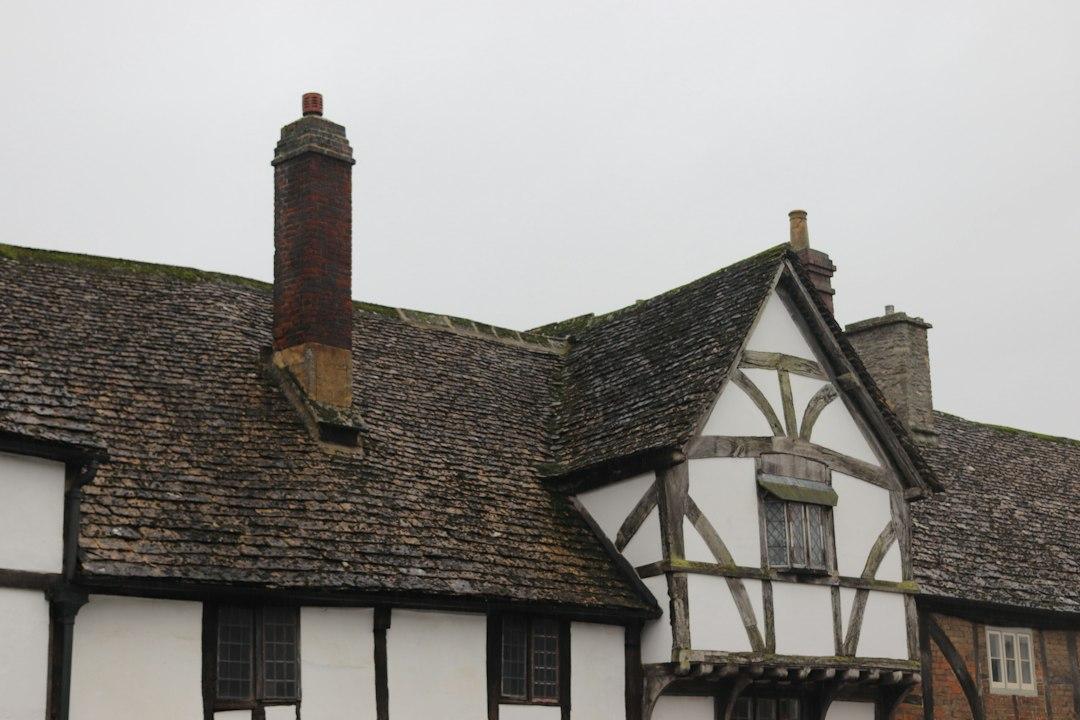
Chimney Rebuilds in Garden Grove, From the First Solid Course
Ask About This Service
Give the address and a line on the chimney. The office comes back with a date and what the visit will take in.
What the Work Involves
Rebuilding starts with a decision about where the bad brickwork stops. Sometimes that is a few courses under the crown, sometimes the roofline, occasionally lower. We dismantle by hand, save any brick fit for reuse, and relay with full bed and head joints around new flue tile. Flashing goes in as the courses rise, and a cast crown with an overhang finishes the top. Whether the city wants a permit for the job is settled before any brick comes off.
When Pointing Is No Longer Enough
Repointing renews joints. It cannot rescue a wall whose joints have nothing left to give or whose brick has gone soft. The signs that a chimney has crossed that line are physical and easy to show an owner. Mortar that pours out of the joint as loose sand however deep the pick goes. Brick that moves when pushed, in more than one or two spots. A stack that is out of plumb, checked with a level on two faces. A horizontal crack running right around the chimney at one course, which usually means the top has rocked on that joint during a quake and settled back. Bricks whose faces have come off across a whole side. Any one of these, and certainly two together, means the upper masonry is no longer acting as a single piece, and adding mortar to its surface would be decoration. The work then is to take the chimney down to the level where brick and mortar are firm, and build back up from there. Where that level sits decides the size of the job. It may be eight courses below the crown. It may be the roofline. Less often it is the shoulder, where the wide fireplace narrows to the stack, or the footing.
Demolition is done by hand, from the top, one brick at a time, with the roof protected and the debris lowered, not dropped. The flue is covered so nothing falls into the firebox. When we reach firm masonry, the new work is tied to it and carried up: brick laid in full mortar beds, new flue tiles set in refractory mortar and kept centered, and the space between tile and brick left as an air gap instead of being packed solid, so the liner can expand when hot. Reinforcing goes in as the stack rises. Many older chimneys in this county were built with little or no steel; a rebuilt section gets vertical bars grouted into its corners plus ties into the house framing wherever the design requires. At the top we form and pour a concrete crown that projects past the brick and stops short of the flue tile, then fit new flashing and a cap. Brick is chosen to match what stays. On a street-facing chimney we often reuse the cleaned original brick on the visible faces and put new brick where it will not be seen.
Scope, Permits and the Written Price
Every rebuild is priced from a site visit, because no two start at the same course. During the visit we establish four things. How far down the firm masonry begins, tested with a pick and a level, and stated in the quote as a course count or a height. What the flue needs: new clay tiles through the rebuilt section, or a stainless liner if the tiles below are also cracked. How the work will be reached, whether from the roof, from scaffold on the outside wall, or both. And what the finished chimney must match, in brick, joint profile and mortar color. The written quote sets those out and gives one price for the stated depth. It also says in plain words what happens if the brick below the planned stopping point proves soft once exposed: work pauses, you see it, and the extra courses are priced in writing before they are touched. Cities generally want a building permit for structural work on a chimney, and how that permit is handled is spelled out in the quote.
Rebuilding is also when to settle what job the chimney will do. If the fireplace is used and valued, the stack goes back to its full height, which has to clear the roof and anything near it by set distances for the flue to draw. If the fireplace is rarely lit, some owners choose a shorter route: the stack is rebuilt only to the height a gas insert's liner needs, or the masonry is lowered to just above the roof and a lighter metal flue is carried up from there inside a framed enclosure. Each of those takes weight off the top of the house, which matters in earthquake country. This area has been shaken more than once in living memory, in 1987 by the Whittier Narrows quake and in 1994 by a larger one, and tall plain brick stacks did poorly both times. Our seismic retrofit page goes through the bracing and lowering options in more detail. To have a chimney assessed for rebuilding, send the contact form with the address and a description of what has changed: a lean, a crack line, brick on the roof or in the yard.
Four Habits on Every Gaines Chimney Contractors Job
Material Identified
Brick, mortar and tile are named before a repair is chosen
Seven-Day Office
Messages are picked up 7 AM to 7 PM, weekends included
Scope on Paper
Method, materials and price are set down before tools come out
Pictures at Handover
Finished work is recorded and the images go to you
Where we carry out chimney rebuilds
The cities below have a page of their own for this service, written around the houses and chimneys found there.
CA
Chimney Rebuilds in Garden Grove
This is our own town: orchards and farms until the postwar boom, then tract upon tract through the 1950s and 1960s. Pre-1980 houses are 77% of the stock, so we come expecting sandy bed joints and crowns past their service life.
Open the city pageCA
Chimney Rebuilds in Buena Park
A typical postwar tract house here carries a single brick fireplace chimney, often with steel reinforcement inside but now decades old. We check where that steel meets the mortar, because rusting bar swells and splits the courses around it.
Open the city pageCA
Chimney Rebuilds in Huntington Beach
Downtown keeps a few cottages of the early 1900s; the bulk of the housing is 1960s and 1970s, and Huntington Harbour's channel-side homes and condos came in the 1960s. Seaside brick holds damp, so our repointing mortar is one that breathes and lets the wall dry.
Open the city pageCA
Chimney Rebuilds in La Palma
Dairyland was the name on the 1955 incorporation papers; the houses that followed are 81% pre-1980. Fireplaces here likely come two ways: a factory-built unit on the later side, or period masonry in block or brick. Only the masonry takes a trowel.
Open the city pageOther Work We Do
Chimney Sweep
Rods and brushes strip the flue walls clean, and the bare tile and mortar joints get looked over before we pack up.
Open the pageChimney Inspection
A Level 1 look at brick, joints, crown, firebox and flue mouth, written up with what a mason would do about each finding.
Open the pageChimney Repair
Repairs to the brick stack, crown, flue and firebox, planned by a mason so the fix matches what the chimney is built from.
Open the pageFireplace Inspection
The firebox, hearth, throat and facing checked brick by brick, with the lintel and the hearth extension measured against the opening.
Open the pageFireplace Repair
Firebrick relaid, refractory joints repointed, lintels and smoke chambers repaired, so the firebox holds heat where it belongs.
Open the pageChimney Level 2 Inspection
Each flue tile and the mortar between them filmed from inside, with the roof and concealed sections of the stack checked too.
Open the pageChimney Cap Installation
A metal lid and screen fixed over the flue tile or across the whole crown, chosen after we check what it will fasten to.
Open the pageChimney Flashing Repair
New sheet metal at the roofline, lapped under the roofing and tucked into a groove ground in the brickwork.
Open the pageChimney Masonry Repair
Tuckpointing, brick replacement and relaid courses, using a mortar type and joint profile that match the wall already standing.
Open the pageFireplace Cleaning
Ash, soot and stains lifted from the firebox, grate, doors and facing brick without harming the mortar or the finish.
Open the pageGas Fireplace Cleaning
Glass off, logs out, burner ports and pilot cleared of dust and lint, then everything reassembled as the manual shows.
Open the pageGas Fireplace Repair
Meter in hand, we trace a stubborn gas fireplace through pilot assembly, flame sensor, valve, wall switch, remote receiver and wiring.
Open the pageFireplace Remodel
A new face for the fireplace in brick, stone, tile or plaster, set on a substrate that suits the heat.
Open the pageFireplace Inserts
A gas or wood heater fitted inside the masonry firebox you already own, with its own stainless vent up the old flue.
Open the pagePellet Stove Repair
Mechanical and electrical repair for pellet stoves, from the hopper and auger motor to the combustion fan, igniter and sensors.
Open the pageWood Stove Repair
Door seals, firebrick lining, baffles, glass and stovepipe joints renewed on freestanding wood stoves and their hearth pads.
Open the pageGas Logs
Ceramic log sets and a gas burner placed in a masonry firebox, after the brick, the flue and the gas stub are checked.
Open the pageChimney Seismic Retrofit
Anchors, braces or a lighter upper stack for an unreinforced brick chimney, chosen after the mortar and brick are assessed.
Open the pageChimney Crown Repair
The mortar or concrete wash that sheds rain off the top course, resurfaced when worn and recast in formwork when it has failed.
Open the pageDryer Vent Cleaning
Lint removed from the full length of the dryer exhaust duct, from the appliance connection to the hood on the outside wall or roof.
Open the pageChimney Liner Installation
A new stainless or cast flue inside the old brick shaft, for chimneys whose clay tiles are cracked, missing or the wrong size.
Open the pageChimney Leak Repair
Finding the entry point of water at a chimney and repairing that material, whether mortar joint, crown, sheet metal or brick face.
Open the pageChimney Waterproofing
A clear siloxane treatment sprayed onto repaired brick and mortar to cut how much rain the wall absorbs.
Open the pageChimney Damper Repair
Cast iron throat dampers freed, rehung or replaced, and cable-operated lids fitted at the flue top when the throat is past saving.
Open the pageChimney Chase Cover
A fabricated metal top for a framed chimney enclosure, replacing a rusted or sagging pan that lets rain into the structure.
Open the page