
Chimney Waterproofing in Garden Grove, After the Masonry Is Right
Ask About This Service
Give the address and a line on the chimney. The office comes back with a date and what the visit will take in.
What the Work Involves
Brick and mortar both absorb water, soft handmade brick and lime mortar more than hard modern units. A penetrating siloxane or silane repellent lines the pores without forming a film, so the wall can still dry outward. Film-forming paints and sealers do the opposite and trap moisture until faces pop off. We treat only after pointing and crown work are finished and cured, mask the roof and windows, and spray from the top down until the brick stops taking it.
Repellent Is the Last Coat, Never the First Repair
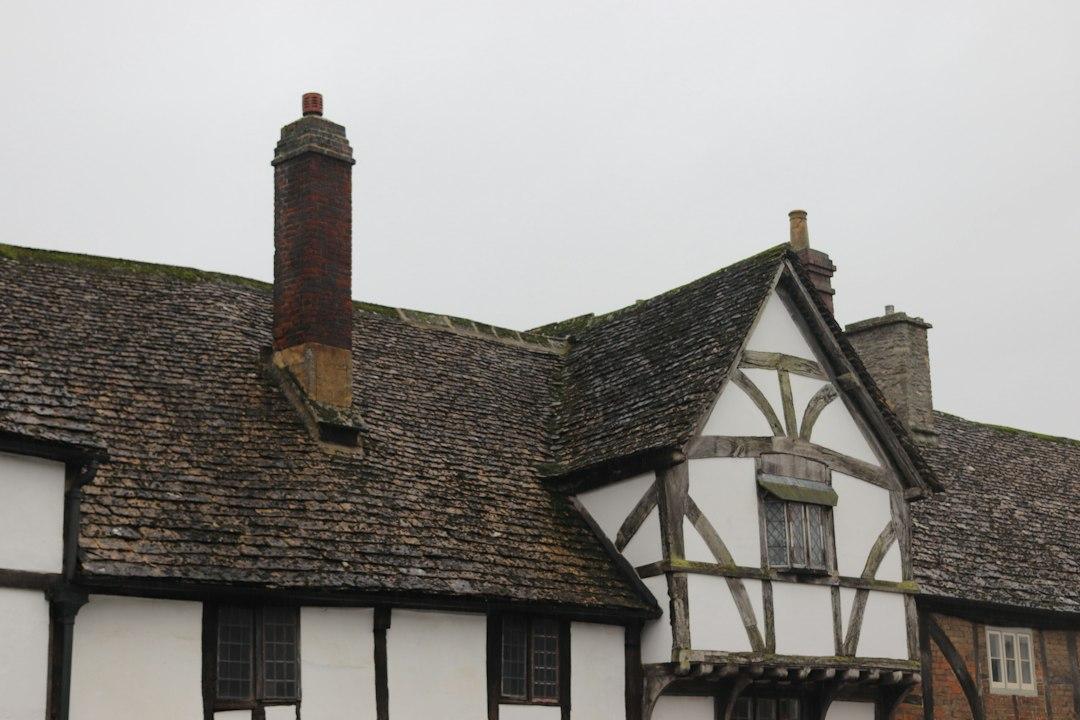
Fired clay brick absorbs water. How much depends on the brick: a dense, hard-burned face brick takes up little, while a soft common brick or an old salvaged one can take up a tenth of its weight. Mortar joints absorb more than either. In a long winter storm with wind behind the rain, the weather side of a chimney can become wet through its full four-inch thickness, and the water then moves inward and downward, carrying dissolved salts with it. When the wall dries, the salts are left at or just under the surface as a white bloom. Over many cycles, salt crystals growing inside the face of a soft brick push thin layers off it. Chimneys get the worst of this because they stand above the roof with no eave to shelter them, exposed on four sides. Near the ocean, in Huntington Beach and the coastal flats, salt in the air adds to what the brick already carries. A water repellent is meant to cut down how much rain the masonry takes in to begin with.
The product matters, and so does what it is put over. We use penetrating repellents of the silane and siloxane family. They are thin, clear liquids that sink a short way into the surface and line the pores with a water-shedding layer without plugging them. Liquid water is turned away at the face; dampness held in the wall is still free to evaporate out. That second property is the one that counts. Film-forming sealers, paints and clear acrylics do the opposite: they close the surface, and any water that gets behind them through a crack or from the flue side is locked in, where it lifts the coating and takes the brick face with it. Many of the spalled chimneys we see were sealed with the wrong thing. A repellent is also no filler. It will not bridge an open joint, a crack in the crown or a gap where flashing meets brick, and sprayed over those faults it only hides them. So the order of work is fixed: inspect, repair what is open, let new mortar cure, then treat.
The Visit, the Application and the Price
On the first visit we find out whether the chimney needs repellent at all and whether it is ready for it. We check the joints with a pick, sound the crown, look over the flashing, and wet a patch of brick to watch how fast it darkens, which shows how absorbent it is. Painted brick and brick already coated with a film sealer are a different case, because a penetrating product cannot get through the old coating; we explain what the choices are there. Any repairs the chimney needs are priced ahead of the repellent and finished ahead of it. Application day needs dry masonry and dry weather to follow. The roof, the windows below and any plants at the base are covered, since overspray marks glass and metal. The repellent is applied from the bottom of the stack upward with a low-pressure sprayer until the surface is saturated, with a second pass while the first is still wet, and the crown and exposed tile are kept clear or treated with their own coating.
The charge for waterproofing is set by the surface to be treated and the access to it, so we give it in a written quote instead of a list price. The quote states the square footage, the product by name, the number of coats and what will be masked. If repointing or crown work has to come first, those lines sit above it with their own prices, and you can see the whole sequence on one page. A treatment does not last indefinitely. Sun and weather wear it down over a span of years, sooner on the south and west faces, and the simple check is to watch whether rain still darkens the brick. Repellent suits tall exposed stacks, chimneys of soft or salvaged brick, chimneys near the coast, and any chimney that has just been repointed and is worth protecting. It is poor value on dense, hard brick under a deep eave. Ask through the contact form, and a visit to read the masonry comes before anything is sprayed.
Four Habits on Every Gaines Chimney Contractors Job
Material Identified
Brick, mortar and tile are named before a repair is chosen
Seven-Day Office
Messages are picked up 7 AM to 7 PM, weekends included
Scope on Paper
Method, materials and price are set down before tools come out
Pictures at Handover
Finished work is recorded and the images go to you
Where we carry out chimney waterproofing
The cities below have a page of their own for this service, written around the houses and chimneys found there.
Nothing under that name for this service yet. A neighboring city or a ZIP code may turn it up.
Other Work We Do
Chimney Sweep
Rods and brushes strip the flue walls clean, and the bare tile and mortar joints get looked over before we pack up.
Open the pageChimney Inspection
A Level 1 look at brick, joints, crown, firebox and flue mouth, written up with what a mason would do about each finding.
Open the pageChimney Repair
Repairs to the brick stack, crown, flue and firebox, planned by a mason so the fix matches what the chimney is built from.
Open the pageFireplace Inspection
The firebox, hearth, throat and facing checked brick by brick, with the lintel and the hearth extension measured against the opening.
Open the pageFireplace Repair
Firebrick relaid, refractory joints repointed, lintels and smoke chambers repaired, so the firebox holds heat where it belongs.
Open the pageChimney Level 2 Inspection
Each flue tile and the mortar between them filmed from inside, with the roof and concealed sections of the stack checked too.
Open the pageChimney Cap Installation
A metal lid and screen fixed over the flue tile or across the whole crown, chosen after we check what it will fasten to.
Open the pageChimney Flashing Repair
New sheet metal at the roofline, lapped under the roofing and tucked into a groove ground in the brickwork.
Open the pageChimney Masonry Repair
Tuckpointing, brick replacement and relaid courses, using a mortar type and joint profile that match the wall already standing.
Open the pageChimney Rebuilds
New brickwork for a stack that pointing cannot save, laid with fresh flue tile, a cast crown and flashing built into the courses.
Open the pageFireplace Cleaning
Ash, soot and stains lifted from the firebox, grate, doors and facing brick without harming the mortar or the finish.
Open the pageGas Fireplace Cleaning
Glass off, logs out, burner ports and pilot cleared of dust and lint, then everything reassembled as the manual shows.
Open the pageGas Fireplace Repair
Meter in hand, we trace a stubborn gas fireplace through pilot assembly, flame sensor, valve, wall switch, remote receiver and wiring.
Open the pageFireplace Remodel
A new face for the fireplace in brick, stone, tile or plaster, set on a substrate that suits the heat.
Open the pageFireplace Inserts
A gas or wood heater fitted inside the masonry firebox you already own, with its own stainless vent up the old flue.
Open the pagePellet Stove Repair
Mechanical and electrical repair for pellet stoves, from the hopper and auger motor to the combustion fan, igniter and sensors.
Open the pageWood Stove Repair
Door seals, firebrick lining, baffles, glass and stovepipe joints renewed on freestanding wood stoves and their hearth pads.
Open the pageGas Logs
Ceramic log sets and a gas burner placed in a masonry firebox, after the brick, the flue and the gas stub are checked.
Open the pageChimney Seismic Retrofit
Anchors, braces or a lighter upper stack for an unreinforced brick chimney, chosen after the mortar and brick are assessed.
Open the pageChimney Crown Repair
The mortar or concrete wash that sheds rain off the top course, resurfaced when worn and recast in formwork when it has failed.
Open the pageDryer Vent Cleaning
Lint removed from the full length of the dryer exhaust duct, from the appliance connection to the hood on the outside wall or roof.
Open the pageChimney Liner Installation
A new stainless or cast flue inside the old brick shaft, for chimneys whose clay tiles are cracked, missing or the wrong size.
Open the pageChimney Leak Repair
Finding the entry point of water at a chimney and repairing that material, whether mortar joint, crown, sheet metal or brick face.
Open the pageChimney Damper Repair
Cast iron throat dampers freed, rehung or replaced, and cable-operated lids fitted at the flue top when the throat is past saving.
Open the pageChimney Chase Cover
A fabricated metal top for a framed chimney enclosure, replacing a rusted or sagging pan that lets rain into the structure.
Open the page